|
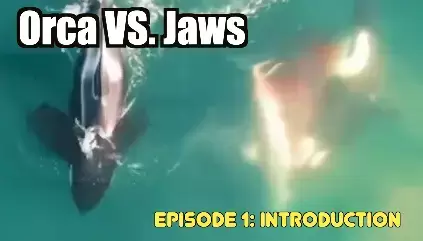
A four part series dissecting the problems with one of Shark Week's popular shows. Part 1 takes a humorous approach talking over the original footage with sarcastic remarks much in the style of the classic Mystery Science Theater style. Parts 2, 3, and 4 are more straight to the point, explaining exactly how the audience is being deceived by what's being shown and being said.    
Shark Weak 2024 kicks off by looking back at one of the most offensive shows from the 2023 season, 'Belly of the Beast'.

Skyler Thomas takes a go at Shark Week

#sharkweek #sharkweak #bellyofthebeast #parody
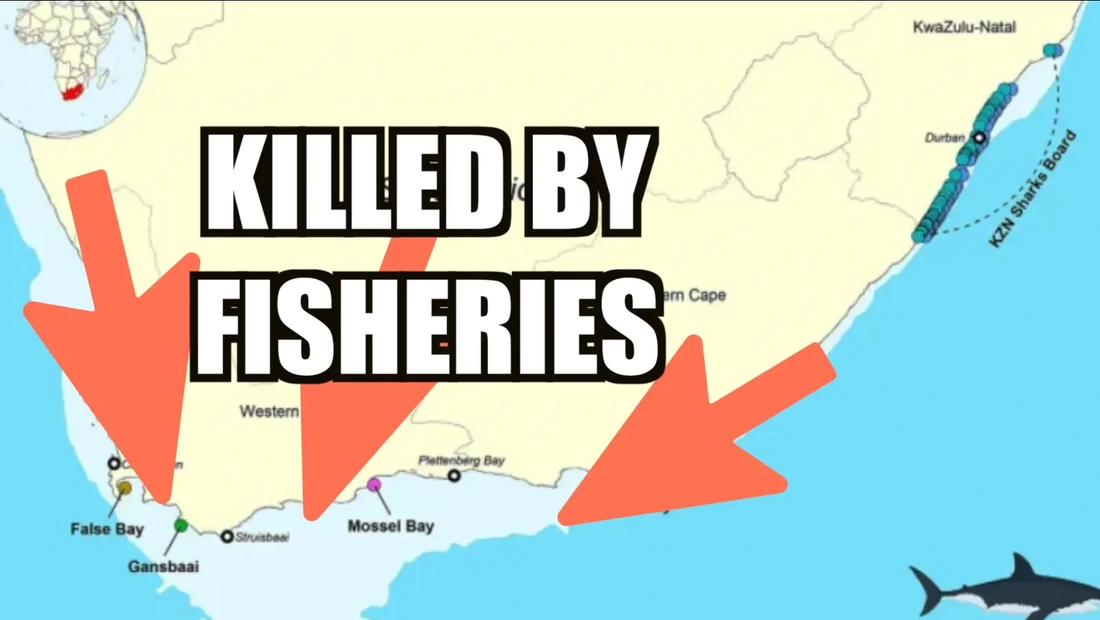
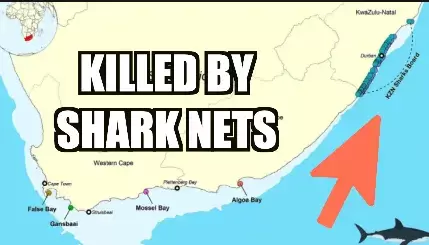
"Government scientists" would like you to look at ten white shark deaths caused by orcas in ten years rather 1,000 white shark deaths in 10 years caused by government endorsed sources.
White sharks face a nearly impossible survival situation in South Africa, and the cause is not orcas.
Part 4 - Ecology and Common Sense.
All research papers can be found here What if we remove the arguments between the scientists and just look at common sense? What conclusions might you draw regarding the disappearance of white sharks in South Africa? This video uses an ecological approach to consider why an animal might leave an area it has utilized for a very long time. The ecological considerations lead to common sense conclusions. Sadly, the scientists who are in the news thanks to the orca hype seem to be completely disconnected from ecological concepts or are either ignoring these concepts because their government affiliation requires them to. Key concepts in this video: The anthropocentric pressure on the white shark population in South Africa is so extreme that even without the orcas the chances of these sharks ultimately surviving are very slim. Between calculations of the demersal shark long line fishery's white shark victims and the KZN shark nets annual average catches, somewhere in the range of 100 white sharks are killed EVERY YEAR in South Africa just from these two sources. By comparison, the orcas have killed 10 white sharks in 10 years. Remember, this is before even considering the white sharks killed by recreational fishermen or off-shore fishing fleets, whether targeted or not. But at the core of the issue is the removal of the food source. How can a species be expected to survive (or stay in an area) if its food source has been removed? It's pretty hard to survive without food. What a large percentage of the population fails to realize is that the white sharks in South Africa only feed on seals at the islands are relatively small portion of the year. The rest of the time they are in shore feeding on smaller sharks. The very sharks the fishing industry is targeting. It's sad that people whose very careers are owed to the white sharks are happy to sell out those very animals for government job security and a little extra fame by promoting the blame of the orcas. I've met Matt Dicken and Alison Towner and can tell you that they are scum human beings. Alison Kock is also scum, the only difference is I haven't met her. What they have in common is the exploitation of species, Towner and Kock jumping on board with OCEARCH when they came and killed and mutilated the sharks there for TV, while Dicken earns his paycheck from a company killing up to 40 white sharks a year. For those who want to dig deep, all the papers can be found at this link: https://www.whitesharkvideo.com/resea... This series is a piecemeal approach to tackling the different subtopics of this larger topic of blaming orcas for the disappearance of white sharks from the white shark capital of the world, thus I recommend the other videos in the series. Here is the full playlist: • Orca VS. Great White The bulk of the footage used in this video is from my 2007 and 2014 trips to South Africa’s cape coast. Maarten Jozef Billen contributed greatly to the 2014 trip by filming and taking photos, which both appear in this video along with my footage. Other images were taken from news articles. Music by Tyler Newman. #orca #whiteshark #southafrica #alisontowner #alisonkock #mattdicken #overfishing #natalsharksboard #skylerthomas #enricogenari Episode 2 in this series takes a close look at each of the locations orcas have killed white sharks and asks how frequent this really happens
Below is a timestamp guide of everything contained in the video
00:00 Were you right about where you thought the Sophia footage was filmed? 01:00 Many news outlets are getting the public confused with Sophia in Baha and the orcas in South Africa. 01:50 This is NOT the first time this has happened. Not even close. Not the first time it has been witnessed. Not the first time a solo white shark has taken out a white shark. Not the first time orcas have removed the liver and left the rest. It is concerning that South African scientists are so anxious to make the news that they are publishing incorrect data. The Farallon incidents and the Baha incident all took place before the Mossel Bay incident that is in the news. 02:24 The first documented incident at the Farallon Islands in 1997 proves all three of the above wrong in itself. A few years later orcas killed another white shark at the Farallones, making it two cases of orcas preying on white sharks at that location alone well before these other incidents. 04:00 In EVERY case reported of white sharks being killed by orcas there have been multiple orcas present. No orca has even been truly hunting alone in these reported cases. Sometimes the whales gang up on the shark an sometimes only one in the group engages in the killing, but no orca has been alone. 04:27 Why am bothering to point this out? Because it has been suggested that the orcas labeled as "rogue" in South Africa, Port and Starboard, are possibly teaching other orcas to kill white sharks and even how to kill them in a one on one manner. This is based on incorrect and incomplete evidence. It is flat out wrong. It almost seems like fear-mongering focused at the orcas as being a threat to the marine ecology there. 05:00 The same scientists condemning the orcas were assembled by the South African government to present evidence that the fishing industry is NOT to blame, but the orcas are. When sharks have friends like this, who needs enemies? 05:50 Are you aware of the other scientists who don't agree with this data? 06:00 Begin the deep dive into all the locations this has happened and when. California, Mexico, Australia, South Africa, and likely New Zealand. Out of these, how many times did one orca do the killing? 08:00 4/5 places where white sharks and orcas are known to both frequent has had a documented case of orcas killing white sharks. 09:43 With the evidence available, do you think orcas do this more often than we are aware or is it as rare as the documented cases? 10:15 Why have we seen this more in South Africa? 11:45 The killer whale that killed the white shark at the Farallones was a transient, meaning it hunted marine mammals, not fish. Yet it killed the white shark on the spot as if it new exactly what it was doing. 12:39 Remember, the majority of the cases of white sharks that have apparently been killed by orcas were NOT witnessed, but are based on finding carcasses washed up on shore. This limits what we know about how the killing took place or even if some cases were scavenging events. 13:00 Will humans acknowledge their own role in changing the condition of the ocean and consequently the behavior of the animals in it? Several more episodes are coming in this series. The entire series can be viewed at this playlist: https://youtube.com/playlist?list=PLg... #shark #orca #whiteshark #killerwhale #predation #port #starboard #sophia #portandstarboard #roguewhale #greatwhite #southafrica #mosselbay 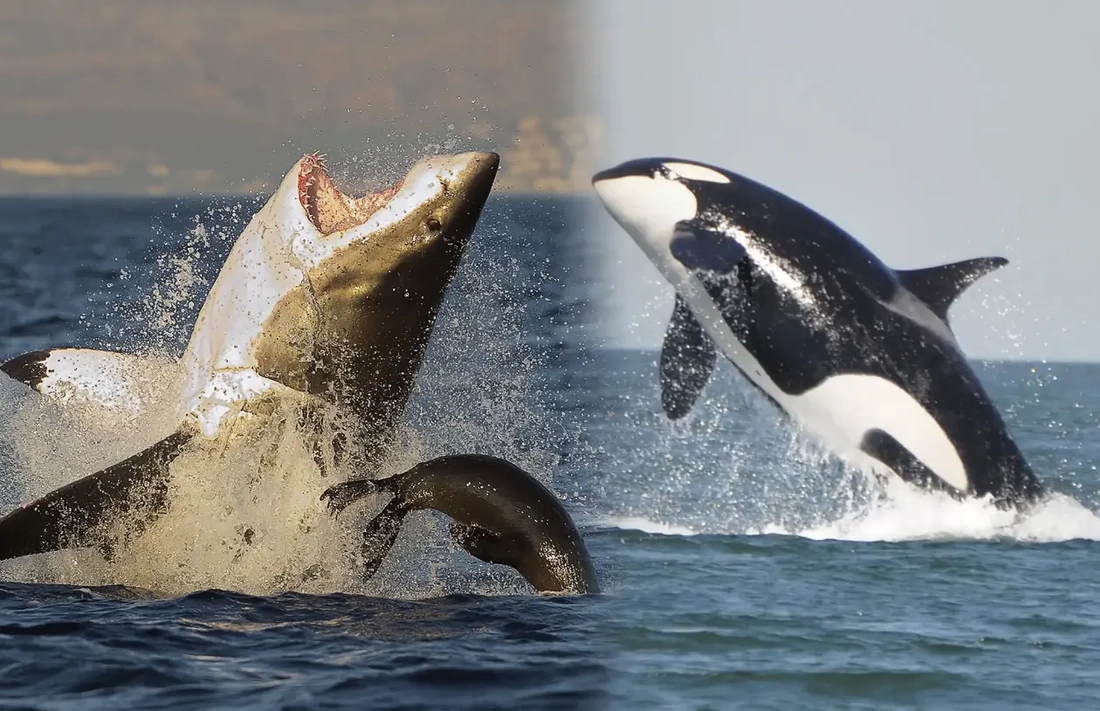
orca vs white shark
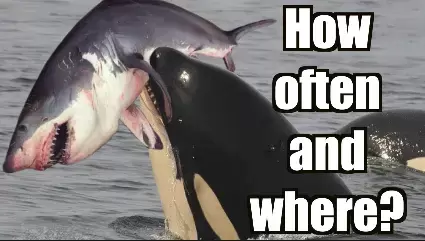
orca vs white shark
Footage of orcas killing white sharks is undeniably intriguing. Unfortunately, much of the information being spread in association with this footage is misleading or flat out incorrect. By far and large the media outlets are responsible for most of the misinformation, but unfortunately, some of the information is coming from scientists. For this introductory video I simply ask the viewer questions in preparation of the upcoming deep-dive videos. Where was the footage filmed? Who filmed it? When? Which footage are we even talking about? Are the headlines accurate? Is the information in the articles accurate? Are the “studies” being published accurate?
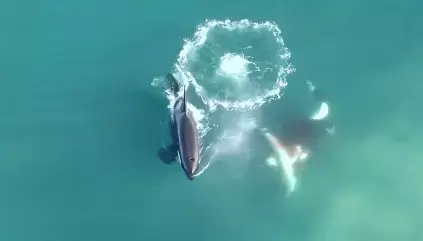
An orca killing a great white shark
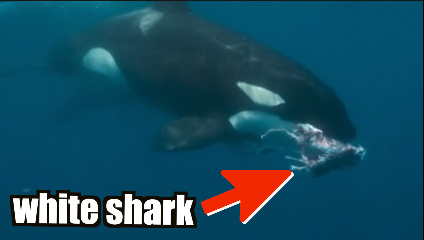
Solo killer whale kills white shark seen for the first time. Whale kills shark. Rogue orcas are decimating shark populations. Sophia. Port. Starboard. #shark #orca #greatwhite #orcakills #killerwhale #sophia #queens #port #starboard #southafrica
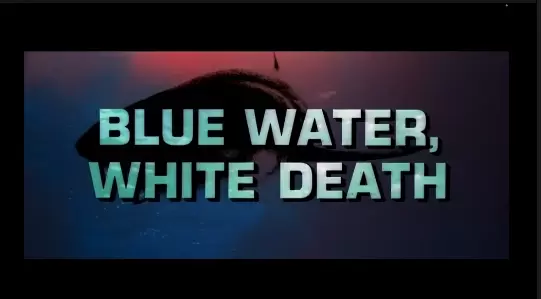
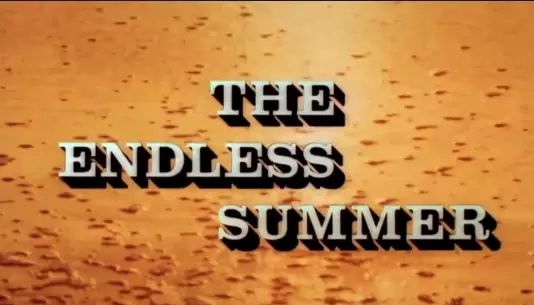
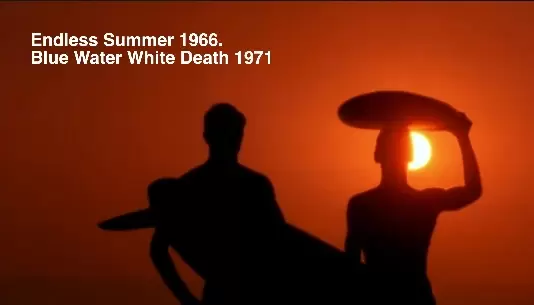
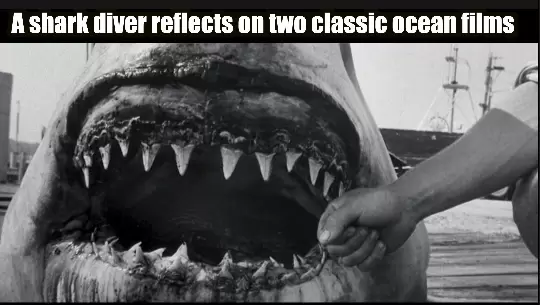
A shark diver reflects on 'Endless Summer' and 'Blue Water, White Death.'
Blue Water, White Death came out in 1971 and Endless Summer came out in 1966. While I'm not old enough to have seen them when they came out, It's been several decades since I first watched these films. Today, as a shark diver who has looked deeply into the topic of shark culling, it's interesting to realize I either didn't think twice about the connection to shark culling in these two films.
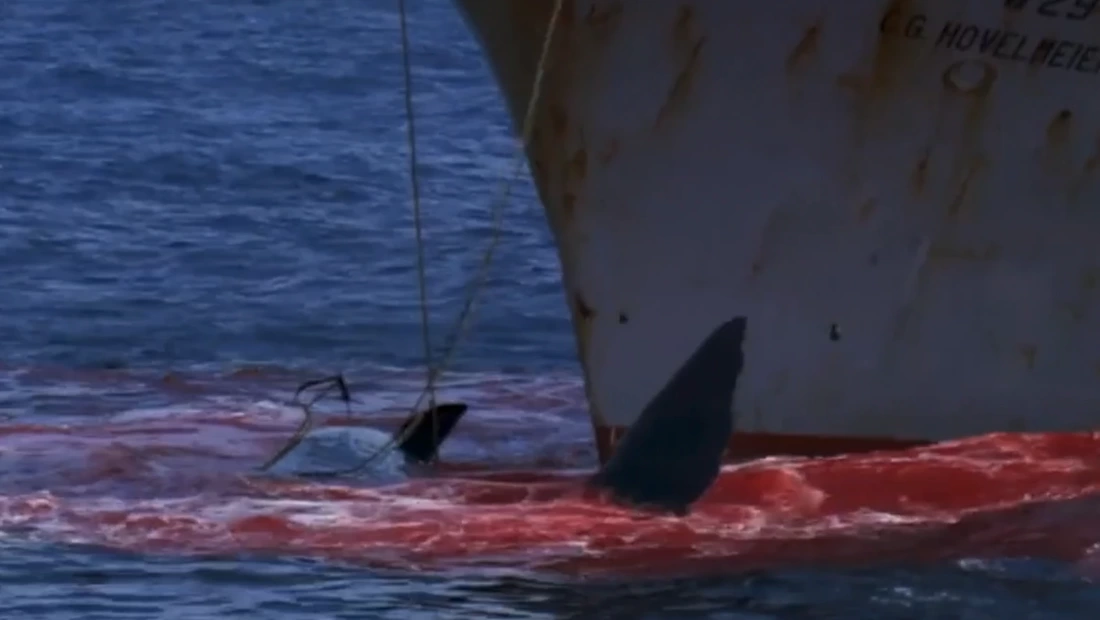
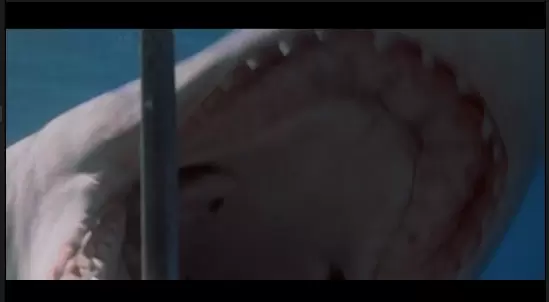
It's also interesting to consider speciesism in these films and how our feelings toward whaling may have changed, how using a harpooned mammal for a film shoot might be criticized today, and seeing these shark experts needlessly kill sharks with bang sticks.
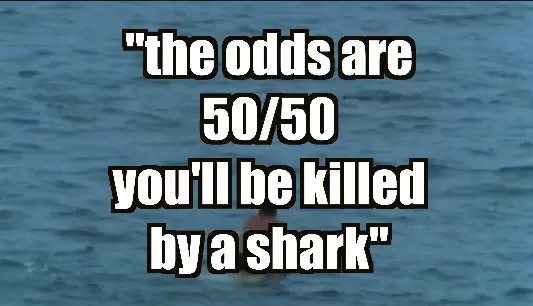
Admittedly, I'm uncomfortable criticizing such a wonderful, and seemingly innocent film as 'The Endless Summer'. However, the shark information given in the film is quite damaging. Telling the audience there is a 50/50 chance you'll be killed by a shark if you don't swim at a netted beach is not only misinformation, but a promotion for the ecologically devastating company, The Natal Sharks Board.
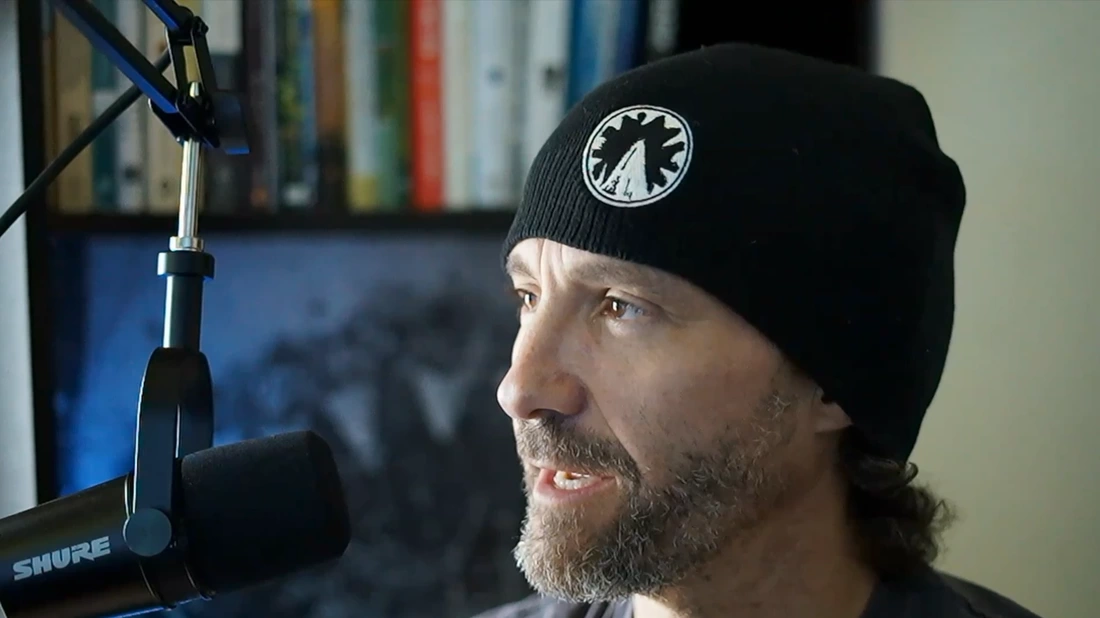
Skyler Thomas reflects on the films Blue Water White Death and Endless Summer in his shark podcast
Much has been made about the devastating effect the movie JAWS had on the human mindset of sharks and the subsequent treatment of sharks. After recently rewatching the film I wanted to offer this opinion; the lines delivered by the shark expert were more damaging than the violent scenes of the shark killing people.
Why? Please watch / listen to this latest episode to find out.
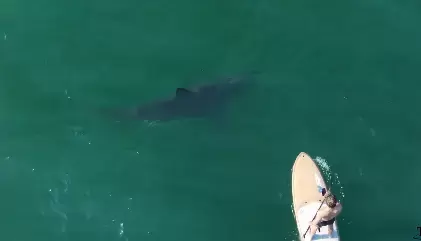
Richard Dreyfuss's character, Matt Hooper, was spreading the very lies politicians use to cull sharks today. I've long defended JAWS and other "shark fear films" based on personal accountability; humans should be able to think rationally, rather than base their approach to existing on earth upon the feelings a Hollywood movie incited. However, I think it's worth pointing out that the most damaging aspects of JAWS were not the scenes of a shark killing people, but the misinformation spread by the "shark expert" in the movie.
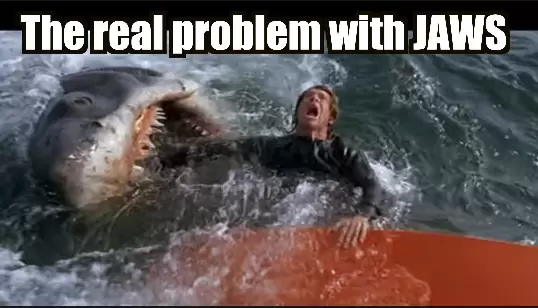
The lasting fear of JAWS is less likely from images like these than from what the shark expert told the audience
In the previous SharkCast Chris Fallows provided his take on the white shark disappearance in South Africa. In this episode we hear from Dr. Sara Andreotti, who's research backs up Chris's logical take on the matter. Watch the video at the link above or read more at whitesharkcafe.com
Chris Fallows sets the record straight on orcas, the white shark disappearance, and governments selling out wildlife. We even talk a little about Shark Week.
When one stops to think about what has been taking place in South Africa, rather than acting like it's a shocking mystery that the white sharks are gone, one should wonder how the white sharks could ever have been expected to survive. South Africa already had off-shore long-lining then chose to add in-shore long-lining where the white sharks spend 8 months of the year. Even if these long-lines didn't entangle and kill white sharks, they would essentially be removing the in-shore food source of the white shark. How does one survive without a food source? Why would one stay without a food source? Furthermore, South Africa intentionally kills white sharks along the shores of their north eastern migration route. So they are killed where they eat, they are killed where they migrate, they are still undoubtedly poached to an extent, they are still caught heading back into pelagic waters, and their food source is being fished out. But hey, let's blame orcas.
#orcas #orcavsgreatwhite #southafrica #disappearingwhitesharks #chrisfallows #apexpredators #orcaskillwhitesharks #sharkweek #airjaws #skylerthomas #sharkcast #sharkpodcast
|
- Shark Blog
- About
-
Education / Events
- Presentations
- Bookings
- Feedback
-
Past Events
>
- Shark Night
- Sharktoberfest 2018
- Surfrider Sharktober 2018
- Surfrider Foundation (San Mateo Chapter)
- Night Life 2013 "Killer Personalities"
- 7 Teepees
- Great White Lies San Francisco Premiere
- SF March Against the Cull
- Great White Night 2012
- Night Life 2011
- Gentlemen's Club
- Scuba Squad Divers
- Sharks and Beer
- Launch Party / Fundraiser
- Of Whale and Man
- FALSE CONSERVATION >
-
Videos
- Stupid Things People Say About Sharks
- Racism and Sharks
- Connection
- 360s Drones and Sharks
- Footage Licensing
- Tiger Shark Vs. Turtle
- Guadalupe Cage Dive Guide
- minioncam
- Guadalupe White Sharks 2018
- Product Reviews
- Interviews >
- SharkMinutes
- Kid Friendly >
- Feature Films >
- Short Films >
-
Quick Bites
>
- Nurse Shark Barbels in Slow Motion
- Do Sharks Get Cancer?
- Sydney Harbor Video of White Shark is Fake
- White Shark Swallows Tuna in One Bite
- Gentle Biting and Ram Ventilation
- Hammerhead Love
- Seal Swims Leisurely Around White Sharks
- Great White High Five
- Petting a Nurse Shark
- White Shark Tail Narrowly Misses Woman
- Shark Shart ( Great White takes a shit )
- WSV Preview
- Elasmo >
- Surf >
- The Price of Existence >
- Outtakes >
- Samples
- Videos from Others >
- Orca / White Shark Research
White Shark Video
- Shark Blog
- About
-
Education / Events
- Presentations
- Bookings
- Feedback
-
Past Events
>
- Shark Night
- Sharktoberfest 2018
- Surfrider Sharktober 2018
- Surfrider Foundation (San Mateo Chapter)
- Night Life 2013 "Killer Personalities"
- 7 Teepees
- Great White Lies San Francisco Premiere
- SF March Against the Cull
- Great White Night 2012
- Night Life 2011
- Gentlemen's Club
- Scuba Squad Divers
- Sharks and Beer
- Launch Party / Fundraiser
- Of Whale and Man
- FALSE CONSERVATION >
-
Videos
- Stupid Things People Say About Sharks
- Racism and Sharks
- Connection
- 360s Drones and Sharks
- Footage Licensing
- Tiger Shark Vs. Turtle
- Guadalupe Cage Dive Guide
- minioncam
- Guadalupe White Sharks 2018
- Product Reviews
- Interviews >
- SharkMinutes
- Kid Friendly >
- Feature Films >
- Short Films >
-
Quick Bites
>
- Nurse Shark Barbels in Slow Motion
- Do Sharks Get Cancer?
- Sydney Harbor Video of White Shark is Fake
- White Shark Swallows Tuna in One Bite
- Gentle Biting and Ram Ventilation
- Hammerhead Love
- Seal Swims Leisurely Around White Sharks
- Great White High Five
- Petting a Nurse Shark
- White Shark Tail Narrowly Misses Woman
- Shark Shart ( Great White takes a shit )
- WSV Preview
- Elasmo >
- Surf >
- The Price of Existence >
- Outtakes >
- Samples
- Videos from Others >
- Orca / White Shark Research